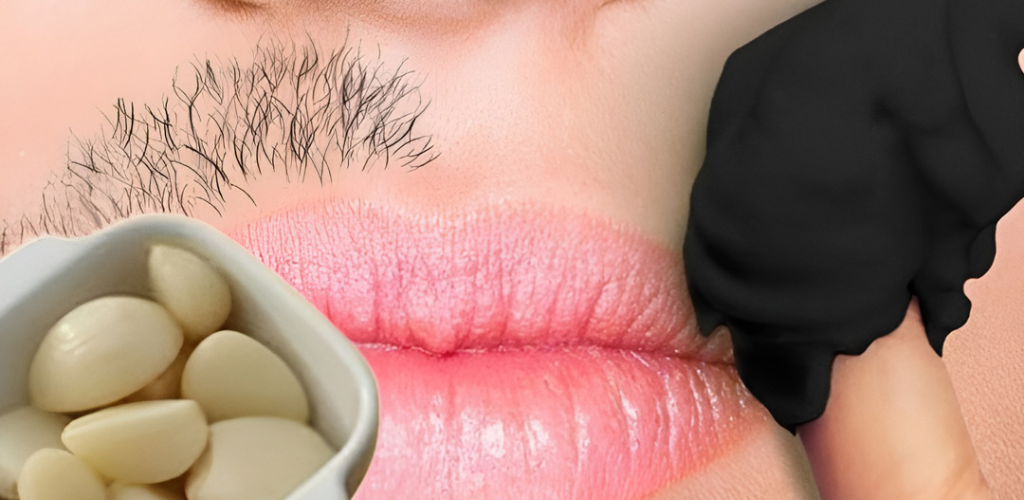
Wie kann man auf natürliche Weise ohne Rasierer wachsen?
There are no guaranteed methods to make hair grow where it naturally doesn’t, especially without resorting to shaving to stimulate potential growth or using medical treatments. Hair growth, including facial hair, is primarily determined by genetics and hormone levels. However, you can optimize the conditions for potential natural hair growth by focusing on overall health and lifestyle:
Natural Ways to Potentially Encourage Hair Growth (Though Not Necessarily Where Hair Doesn’t Naturally Grow):
- Maintain a Healthy Diet: A balanced diet rich in proteins, vitamins (especially A, B, C, D, and E), and minerals (like zinc and iron) is essential for overall hair health and growth.
- Regular Exercise: Exercise improves blood circulation, which can stimulate hair follicles. Resistance training may also temporarily boost testosterone levels, a hormone associated with facial hair growth.
- Get Enough Sleep: The body releases hormones, including testosterone, during sleep, which plays a role in hair growth. Aim for 7-9 hours of quality sleep per night.
- Manage Stress: High stress levels can negatively impact hair growth. Practice stress-reducing activities like exercise, meditation, or hobbies.
- Exfoliate Your Face: Gently exfoliating your facial skin 1-3 times a week can remove dead skin cells and clear hair follicles, potentially allowing hair to grow more freely.
- Keep Your Skin Moisturized: Using a safe and gentle beard oil or moisturizer can keep the skin and hair follicles healthy.
- Scalp Massage: Massaging your face can stimulate blood flow to the hair follicles.
- Consider Certain Oils: Some natural oils like rosemary, coconut, and castor oil are believed to promote hair growth, although scientific evidence is limited. If using essential oils, always dilute them with a carrier oil like jojoba or coconut oil.
- Biotin and Other Supplements: While not a guaranteed solution and best discussed with a healthcare professional, some vitamins and supplements like biotin, zinc, and certain multivitamins are sometimes associated with hair health. However, they are typically only effective if you have a deficiency.
Important Considerations:
- Genetics: Your genetic makeup is the most significant factor in determining where and how much hair you can grow.
- Hormones: Hormonal balance, particularly testosterone levels, plays a crucial role in facial hair development in men.
- Patience: Hair growth is a slow process. It can take time to see any noticeable changes.
In summary, while you can’t magically grow hair where you are not genetically predisposed to, focusing on a healthy lifestyle and proper skincare can optimize the conditions for the hair you do have to grow naturally. If you have concerns about hair growth, consulting a dermatologist or healthcare professional is always recommended. They can assess your individual situation and provide personalized advice.