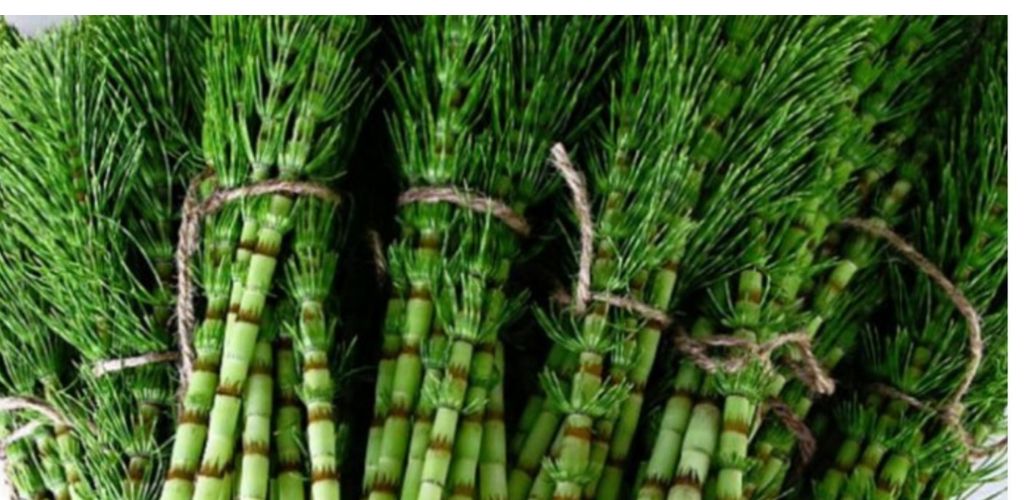
Schachtelhalm wird von Ärzten bei Harnwegsinfektionen, Nierensteinen, Rheuma und Arthritis empfohlen.
Horsetail: A Traditional Remedy Under the Microscope 🌿
Horsetail is known for its high content of silicic acid, flavonoids, and phenolic acids, to which its therapeutic effects are attributed.
Areas of Application and Potential Effects:
- Urinary Tract Infections (UTIs):
- Effect: Horsetail is traditionally used as a diuretic. By increasing urine production, it’s thought to help flush bacteria out of the urinary tract, which can be supportive for mild UTIs.
- Scientific Evidence: There are some studies that confirm its diuretic effect, but its direct effectiveness in treating acute or chronic UTIs hasn’t been extensively proven by large clinical trials. It’s generally seen more as a supportive measure alongside other therapies.
- Kidney Stones:
- Effect: The diuretic effect could also be useful here, helping to promote the excretion of smaller stones or grit. Some theories suggest that the silicic acid might help strengthen connective tissue in the urinary tract, potentially making it harder for new stones to form, but this isn’t clearly proven.
- Effect: The diuretic effect could also be useful here, helping to promote the excretion of smaller stones or grit. Some theories suggest that the silicic acid might help strengthen connective tissue in the urinary tract, potentially making it harder for new stones to form, but this isn’t clearly proven.
-
- Scientific Evidence: Similar to UTIs, the evidence for kidney stones is mostly anecdotal or from smaller studies. Horsetail is rarely recommended as a standalone therapy for existing kidney stones, but rather for prevention or as a complementary therapy.
- Rheumatism and Arthritis:
- Effect: Due to its high silicic acid content, horsetail is also used to strengthen connective tissue, bones, and cartilage. This could theoretically provide relief for degenerative joint diseases like rheumatism and arthritis. The anti-inflammatory properties of flavonoids might also play a role.
- Scientific Evidence: The research here is even scarcer. These applications are based more on traditional knowledge and the assumption that improved connective tissue structure could alleviate symptoms.
Important Notes and Precautions:
- Quality: Pay attention to the quality of the horsetail preparation you use. Wild-harvested horsetail can be contaminated with pesticides or heavy metals. Buy products from reputable manufacturers.
- Thiaminase: Horsetail contains thiaminase, an enzyme that can break down vitamin B1 (thiamine). Regular and long-term use can lead to a vitamin B1 deficiency. High-quality extracts are often processed to inactivate thiaminase.
- Contraindications:
- Heart and kidney failure: Due to its diuretic effect, horsetail should only be used under medical supervision in cases of severe heart or kidney disease.
- Potassium deficiency: Increased urine output can lead to potassium loss.
- Pregnancy and breastfeeding: Not recommended, as safety data is insufficient.
- Children: Do not use without consulting a doctor.
- Interactions: Horsetail can enhance the effect of diuretics and may interact with other medications that affect electrolyte balance.
Conclusion:
Horsetail is an interesting natural remedy with a long tradition, especially in the areas of urinary tracts and connective tissue. While traditional use is widespread and some studies suggest positive effects, the scientific evidence for many of the claimed effects isn’t yet comprehensive or proven by high-quality clinical trials.
It’s essential to consult a doctor or pharmacist before taking horsetail or any other herbal preparations, especially if you already have symptoms, are taking medication, or have pre-existing conditions (e.g., kidney or liver problems, diabetes). A healthcare professional can assess whether horsetail is suitable for your specific situation and what dosage might be appropriate.