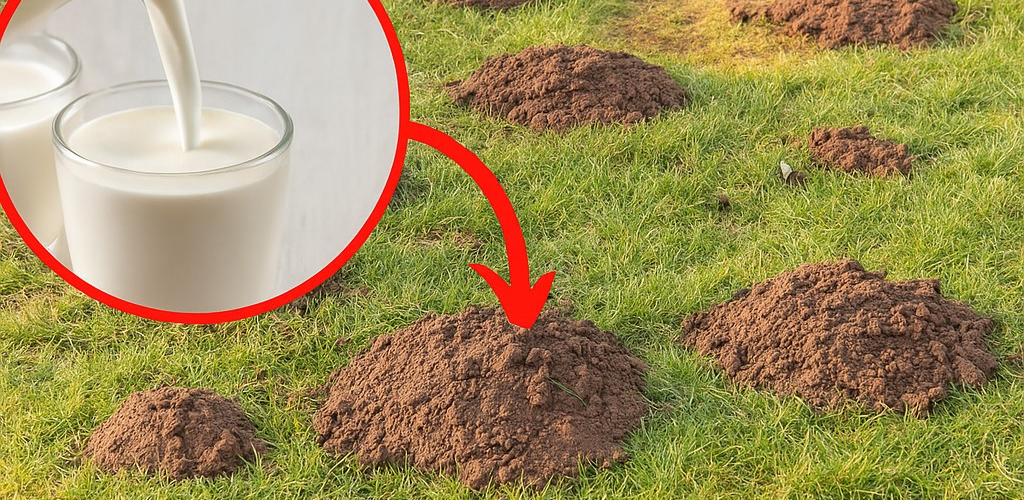
Ein Glas dieses Getränks und der letzte Maulwurf verschwindet für immer aus dem Hof!
While I can’t recommend a “magic drink” that will make moles disappear forever, as they are a part of the natural ecosystem and often tricky to get rid of completely, I can offer some insights into why people might believe such things and what some humane and effective methods are for discouraging moles from your yard.
Understanding Moles
Moles are insectivores, meaning they primarily eat insects, grubs, and worms, not plants or roots. Their tunneling activity, while sometimes annoying for homeowners, actually aerates the soil and consumes garden pests. The “last mole disappearing forever” is often a hopeful thought, as a single mole can create extensive tunnel systems, making it seem like there are many more than there actually are.
Why the “Magic Drink” Myth?
The idea of a simple liquid solution for moles likely stems from various home remedies or anecdotal “old wives’ tales” that suggest concoctions of common household ingredients. These often include:
- Castor Oil mixtures: This is one of the most common recommendations. The idea is that moles dislike the smell and taste of castor oil, making their food sources unappetizing or simply irritating their sensitive noses.
- Dish soap solutions: Sometimes combined with castor oil, dish soap is thought to help spread the castor oil more effectively.
- Spicy concoctions: Mixtures with cayenne pepper or other strong spices are sometimes suggested to irritate the moles.
However, there’s very little scientific evidence to support the long-term effectiveness of these “drink” remedies in completely eradicating moles. At best, they might encourage a mole to move to a different part of the yard or a neighbor’s property for a short period.
Effective and Humane Ways to Discourage Moles
Instead of a “magic drink,” focus on methods that are proven to be more effective and humane:
- Reduce Food Source:
- Treat your lawn for grubs and insects: Since moles primarily eat insects, reducing their food supply can encourage them to move elsewhere. You can use beneficial nematodes (a natural grub killer) or other organic pest control methods.
- Repellents:
- Castor Oil Granules: These are commercially available and are more effective than homemade liquid solutions. Spread them over the affected areas, and then water them in. The castor oil irritates the moles and makes their food source undesirable.
- Vibration Devices: Solar-powered sonic repellents emit vibrations into the ground that moles supposedly dislike. Their effectiveness varies, and moles can become accustomed to them over time.
- Physical Barriers:
- Burying Hardware Cloth: For small, specific areas like raised garden beds, you can bury galvanized hardware cloth (wire mesh) about 1-2 feet deep around the perimeter. Moles generally tunnel close to the surface.
- Trapping (Last Resort & Humane Options):
- If other methods fail and moles are causing significant damage, humane trapping and relocation (where legal and feasible) can be an option. However, this often requires knowledge of mole behavior and proper trap placement. It’s usually best left to professionals.
- Avoid lethal traps if possible.
What to Avoid
- Toxic Baits: These are generally ineffective against moles (since moles eat insects, not plants/seeds) and can be dangerous to pets, children, and other wildlife.
- Gassing/Fumigation: This is often dangerous, illegal in many areas, and rarely effective due to the extensive tunnel systems.
- Flooding Tunnels: This is usually ineffective as moles can quickly tunnel new paths or move to higher ground.
Remember, a healthy lawn and garden are less appealing to moles if their primary food source is controlled. Persistence is key when trying to manage mole activity!